1Recognizing a biological hazard
A biological hazard is any material that can carry germs that cause disease. For a property, that usually means blood, fluids that may hold blood, human or animal waste, and things soiled by them. Spotting one starts with an honest look. What is there? How much? What did it soak into? Who might have touched it? Dried material is not safe just because it is dry. Some germs live on surfaces for a long time. Treat unknown liquids with the same care as known ones. Ask whether the mess sits on a sealed surface or has soaked into something soft. Ask whether needles or blades could be hidden nearby. Ask whether children or people with weak immune systems use the space. Those facts shape every later choice.
2Scene release and who holds authority
Before any cleanup starts, someone has to confirm the space is yours to clean. After an injury, death, or crime, the police or a medical examiner may need to finish first. Disturbing the scene before it is released can get in the way of an investigation. At work, the employer's written exposure plan names who decides. In a rental, the lease and the landlord's rules matter. In a school or clinic, an administrator or infection control lead usually decides. Rules vary by state and county, so check with the local authority when you are unsure. Write down who approved the work and when. That record answers questions from insurers and inspectors later.
3Containment and stopping the spread
Germs spread mainly on feet, hands, tools, moving air, and water. Containment means blocking those paths. Close the door. Keep people and pets out. Do not walk through the area to look at it again. Do not point fans toward the space. If the heating and cooling system serves that room, think about turning it off until a crew checks whether it spread anything. Do not carry soiled items to another room. Do not rinse anything down a sink or drain. Pros take this further with plastic walls, set entry points, protective clothing that stays inside the work zone, and air cleaners when fine particles may be present. Your job before they arrive is simply to freeze the scene.
4Cleaning versus disinfecting
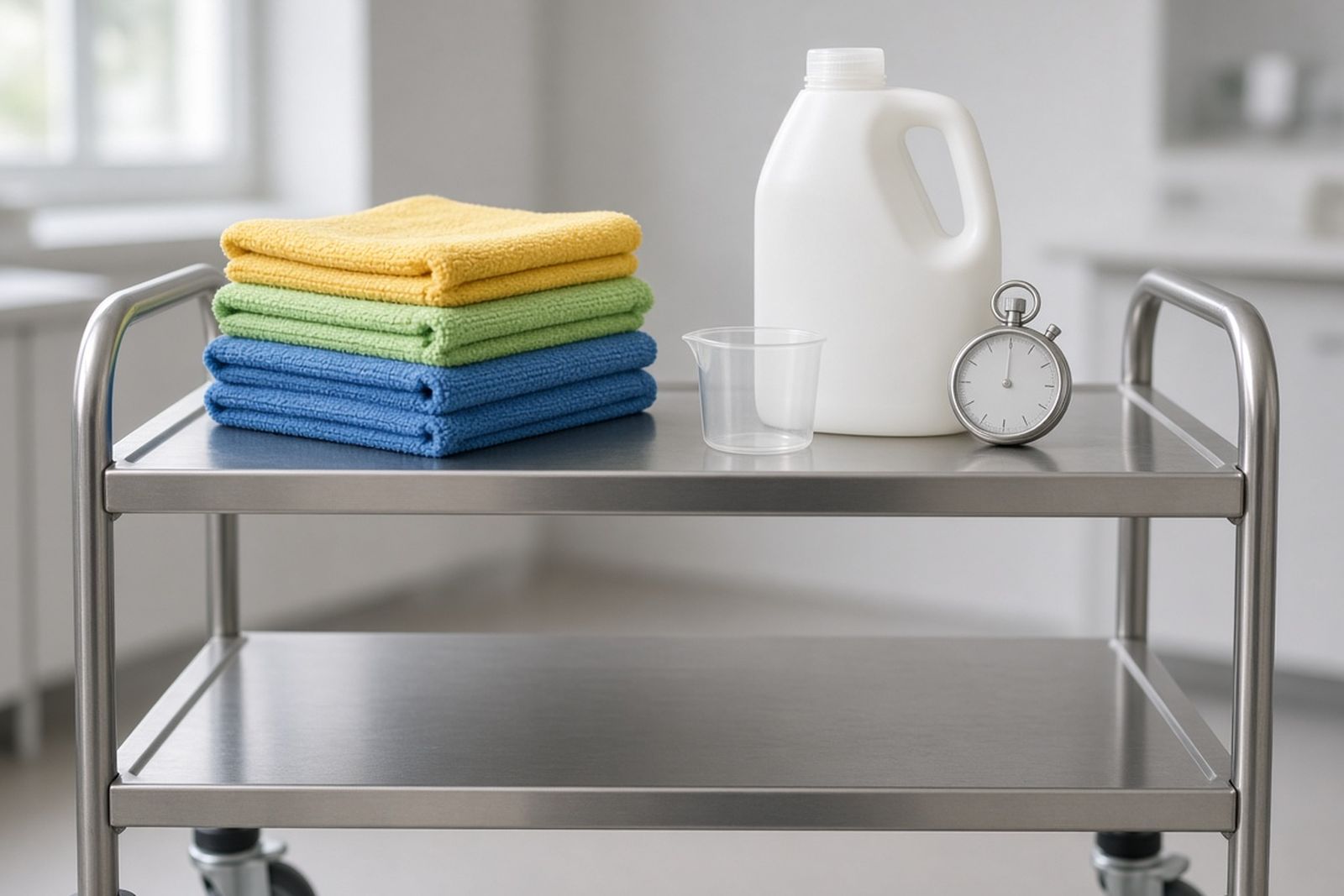
Cleaning removes material from a surface with water, detergent, and scrubbing. Disinfecting uses a registered chemical to kill the germs left after cleaning. They are two steps with two goals, and doing only one leaves the job half done. A surface that looks spotless can still hold germs if nothing was used to kill them. A surface soaked in disinfectant while still dirty may shield germs under the grime. The product label sets the details. It says which germs it works on, how to dilute it, and how long it must stay wet. Random household products do not replace that care. Mixing chemicals for extra strength can make dangerous gases.
5Where contaminated waste can go
Once material comes off a surface, it has to go somewhere, and that path has rules. Items soaked with blood or other body fluids that can carry disease often fall under medical waste rules. So do used safety gear and sharps, such as needles and blades. Those rules can require labeled containers, licensed haulers, and treatment at permitted sites. Lightly soiled items that were disinfected may be allowed in normal trash in some places but not others. Sharps always need containers that needles cannot poke through. Rules vary by state and county, so check with the local authority or your state environmental agency instead of guessing. A provider should explain the path for each kind of waste and give you records showing where it went.
6Documentation and verification
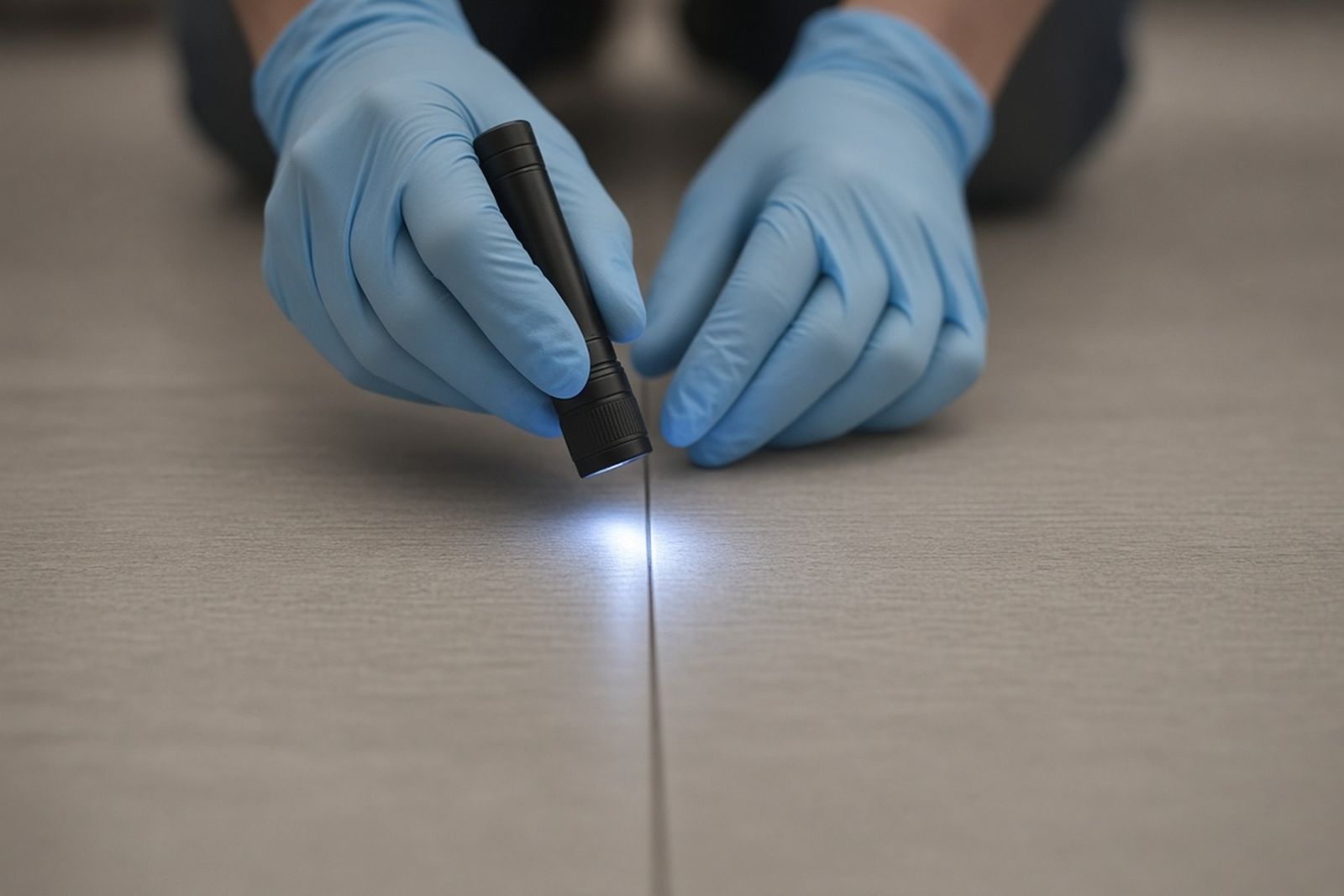
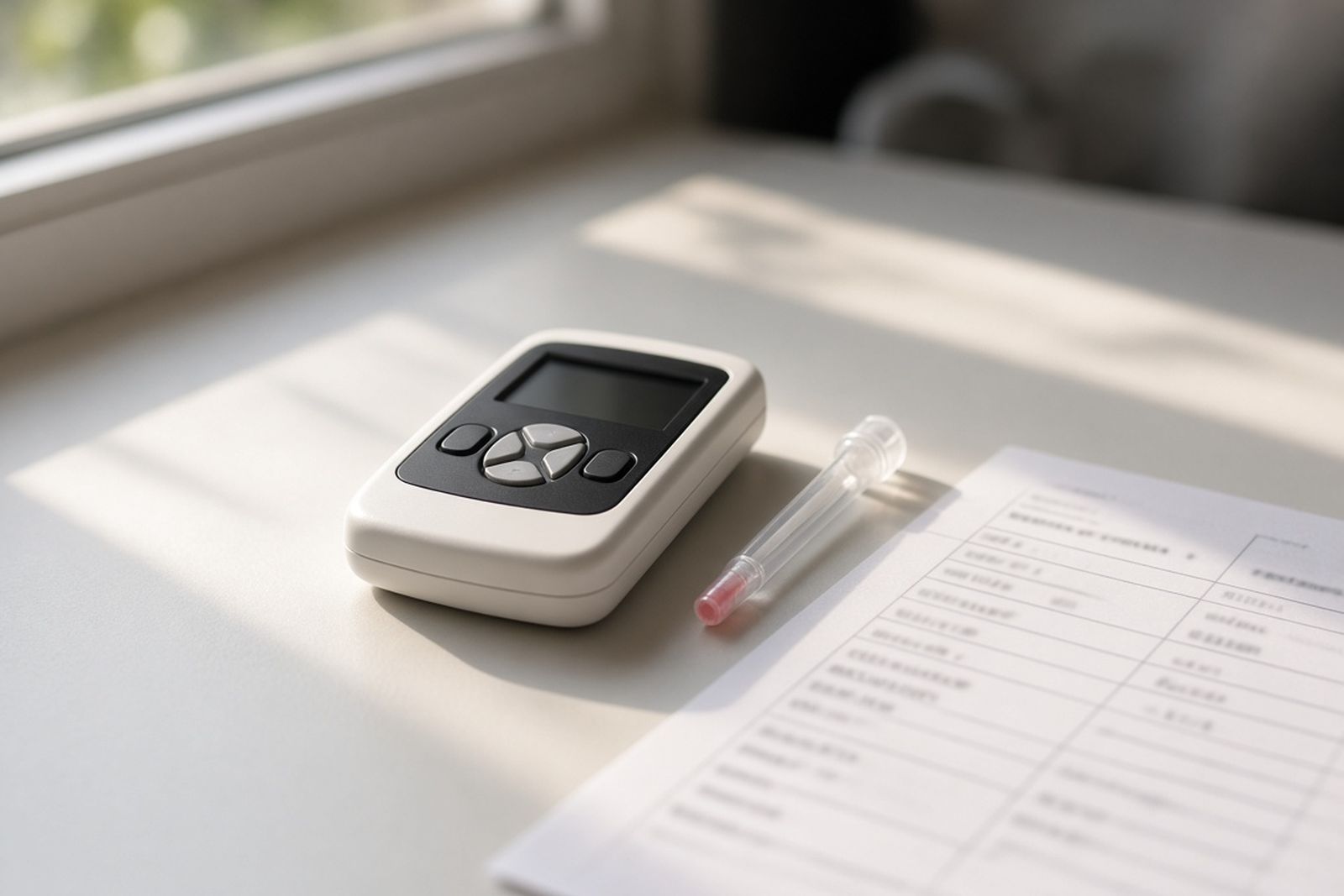
Checking the work is how you learn the job is truly done, not just over. On hard surfaces, crews may use a quick swab test that shows leftover organic residue. It does not detect germs. They may also use protein swabs, along with a careful look in good light. For soft materials, checking usually means confirming that soaked items were removed. No one should pretend a wipe reached inside them. Records tie it all together. They include before and after photos, and a list of products with their EPA numbers and how long each stayed wet. They also include moisture readings where fluid spread, the waste shipping records, and a written note of what was cleaned and what was replaced. Keep that file. Insurers, buyers, employers, and regulators may ask for it. A spoken promise will not satisfy any of them.